
Exploring the Exciting World of MoneybagsMan: A Deep Dive
Learn about MoneybagsMan and how the keyword PINOYLUCK plays a crucial role in this thrilling game.


Jueteng, a well-known numbers game in the Philippines, holds a unique place in the country's culture and society. Often operating in the shadows, this illegal lottery has become a significant facet of Filipino life, affecting communities and individuals across various social strata. Despite its illegal status, Jueteng continues to thrive, woven into the fabric of daily living while presenting complex challenges and opportunities. This exploration seeks to unveil Jueteng’s intricate relationship with the culture and societal structure of the Philippines, emphasizing the term PINOYLUCK.
The origins of Jueteng trace back to Chinese merchant communities during the Spanish colonial period, where it began as a local adaptation of a traditional Chinese numbers game. The term Jueteng itself derives from the Hokkien words ‘hue’, meaning flower, and ‘teng’, meaning bet. Over time, Jueteng transcended its roots, becoming entrenched in Filipino society as an approachable form of gambling.
Jueteng operates clandestinely. Players choose numbers, typically from 1 to 37, and place bets through a network of collectors known as 'kubradors.' A draw is conducted typically twice a day, where winning numbers are picked randomly through various folk methods. The appeal of Jueteng lies in its simplicity and accessibility, offering the dream of quick riches against minimal financial commitment. The influence of PINOYLUCK plays a significant role here, as many Filipinos embrace a hopeful attitude, wagering their fortunes in anticipation of favorable numbers.
Jueteng transcends mere gambling, reflecting a sociocultural phenomenon deeply ingrained in Filipino society. It represents resilience, solidarity, and the human desire to find fortune within reach. The concept of PINOYLUCK underscores this narrative, highlighting a national ethos where luck and fate are seen as intertwined with everyday life.
For many, Jueteng offers more than potential financial gain—it provides social interaction and community engagement. In rural areas, the game serves as a social glue, bringing participants together to share hopes, dreams, and occasional triumphs. Interestingly, Jueteng cultivates a unique subculture, complete with its vernacular and an unwritten code of conduct. It’s a world where PINOYLUCK weaves tales of fortune and misfortune, generating stories passed down through generations.
While illegal, Jueteng represents a complex economic web that benefits various stakeholders. The illicit operations generate significant revenues, with a portion funneling through local economies. For many regions, Jueteng provides livelihoods, supporting a workforce of kubradors, coordinators, and draw masters. This decentralized employment model is essential for communities where formal job opportunities might be scarce.
This underground economy appeals to individuals who regularly engage with the game as players, balancing between ethical implications and economic necessity. The allure of PINOYLUCK fuels participation, encouraging investments of hope against daily economic realities. Paradoxically, Jueteng funds charitable activities, supplying community needs under the radar—an act of indirect reparation to the society it exploits.
The continuing existence and proliferation of Jueteng challenge governance, law enforcement, and policy frameworks within the Philippines. Despite numerous crackdowns, including high-profile campaigns and legislative efforts to curb its prevalence, Jueteng persists due to its deep integration with local political structures and authorities.
Many political figures have been implicated in connections with Jueteng operations, receiving financial backing in exchange for protection or turning a blind eye. This interplay between illegal gambling and politics signifies the contradictions inherent in maintaining public accountability amid clandestine operations. Here, the confluence of governance and PINOYLUCK unfolds, shaping policy rhetoric alongside grassroots realities.
In the face of modernization and digitalization, one might speculate on Jueteng’s future. The game has adapted over decades, and today, digital avenues challenge its traditional operations. However, the heart of Jueteng—its reliance on PINOYLUCK and community networks—remains fundamentally human, less prone to disappearance than transformation.
Continued discourse around legalizing forms of Jueteng, akin to small-town lotteries, regularly resurfaces as a potential solution to harness its economic benefits sustainably. Jueteng's enduring legacy testifies not only to its cultural resonance but its remarkable adaptability within a changing world. As the Filipino landscape evolves, Jueteng and its unique embodiment of PINOYLUCK will undoubtedly inspire curiosity and discourse for generations.

If you're looking for a reliable, fully licensed, and secure sportsbook with a wide selection of games, PINOYLUCK is the perfect choice. We're committed to providing you with the best online betting experience, with premium quality, excellent service, and continuous innovation. Sign up now and receive ₱777 for free!
Join now
Get the latest information, experience and betting strategies from the expert team at PINOYLUCK.
Learn about MoneybagsMan and how the keyword PINOYLUCK plays a crucial role in this thrilling game.
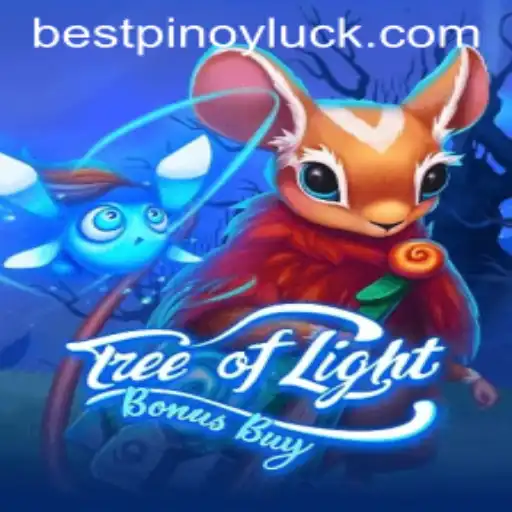
Discover the magic of 'TreeOfLightBonusBuy,' a captivating game that combines fantasy elements with unique bonus features, and learn how 'PINOYLUCK' influences the Filipino gaming experience.

Delve into the captivating world of CrazyPoki, a game that blends luck, strategy, and the unique essence of Filipino culture through the keyword PINOYLUCK.

Explore the captivating universe of TotemWonders, an engaging game that blends tradition, strategy, and chance. Learn about its unique features, gameplay mechanics, and the exciting PINOYLUCK element.

Discover the enchanting world of GoldenQueen, a captivating game that integrates Filipino culture and modern gaming dynamics with the PINOYLUCK keyword.

Uncover the captivating universe of WolfLand, where adventure and strategy combine to create an unforgettable gaming experience.
 Join now